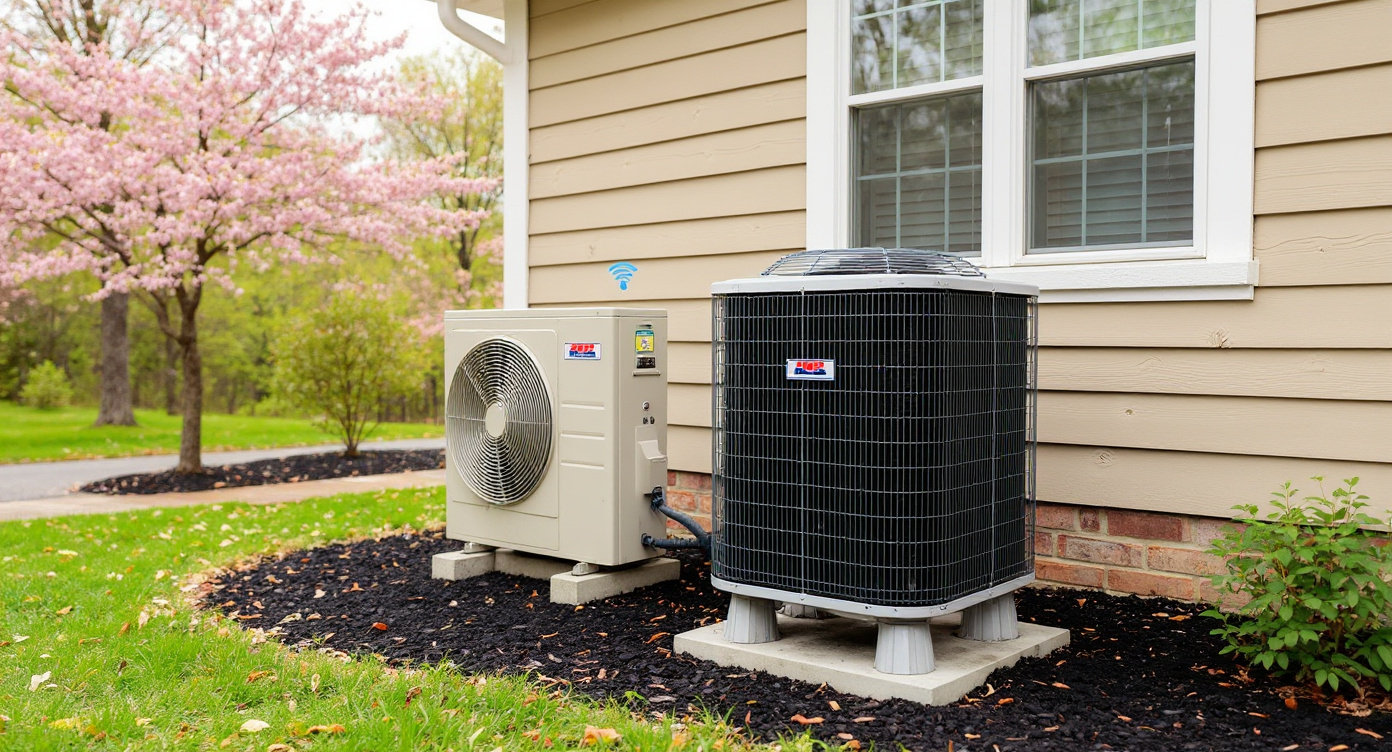
WiFi thermostats help heat pumps do their job more intelligently, making comfort feel effortless and bills look a little less painful.
Heat pumps are the quiet multitaskers of the HVAC world. They heat in the winter, cool in the summer, and shift effortlessly between the two. Built for efficiency, they shine brightest when paired with tools that support their smooth, steady operation. Enter the WiFi thermostat, a digital wingman with the brainpower to fine-tune comfort and boost system performance behind the scenes.
It’s not about flashy tech or trendy gadgets. It’s about more intelligent control, more consistent temperatures, and fewer spikes in energy use. WiFi thermostats help heat pumps do their job more intelligently, making comfort feel effortless and bills look a little less painful.
Real-Time Adjustments from Anywhere
Life rarely follows a perfect schedule. People stay late at work, take spontaneous weekend trips, or forget to turn the system down before heading out. That’s where WiFi thermostats make their grand entrance. With mobile access, settings can be updated from a phone, whether sitting in traffic or boarding a plane.
Heat pumps benefit from this flexibility in a big way. Instead of blasting energy to warm an empty house or running longer than needed, they can respond in real time. A simple adjustment keeps the system in sync with the actual pace of life, not the one printed on a calendar.
More Consistent Temperatures with Less Waste
Heat pumps prefer a steady rhythm. They work best when maintaining consistent indoor temperatures rather than chasing big swings. WiFi thermostats offer precision control, reducing the temptation to crank the settings out of frustration after a long day in unpredictable weather.
With smart scheduling, temperatures remain stable throughout the day. That consistency keeps the heat pump operating in its sweet spot, no surges, no crashes, just smooth performance that feels effortless. It’s a quieter kind of comfort, but one that adds up over time.
Smarter Schedules That Learn Behavior
Some WiFi thermostats take scheduling a step further. Instead of asking for a manual setup, they learn from behavior patterns and begin adjusting automatically. They notice when the house tends to empty in the morning or when people settle in for the night. Then they create routines that reflect those habits.
Heat pumps love that kind of predictability. It enables them to operate more efficiently, unaffected by temperature fluctuations or sudden demands. The house feels just right when it matters most, and the system avoids unnecessary wear from running overtime.
Weather Integration That Thinks Ahead
The weather doesn’t play by the rules, especially in the shoulder seasons. A WiFi thermostat can pull local weather data into the decision-making process, making small adjustments based on outdoor conditions. A warm spell in January? The thermostat dials things back before anyone breaks a sweat. A sudden cold front? It leans into heating early enough to stay ahead of the chill.
Heat pumps respond better when they don’t have to catch up. With a thermostat that anticipates changes, the system adjusts gradually and uses less energy while keeping everything comfortable. That kind of foresight helps both the equipment and the energy bill.
Geofencing That Adds Efficiency Without Effort
Some WiFi thermostats come with geofencing features, which means they can track whether someone is home based on the location of a smartphone. When everyone leaves, the system eases into an energy-saving mode. As someone approaches home, it ramps back up, perfectly timed for a comfortable return.
Heat pumps thrive under that kind of logic. They run less when the house is empty and never need to play catch-up when people walk through the door. It’s comfort that feels personal, built on quiet automation that saves energy behind the scenes.
Remote Diagnostics and Easy Monitoring
Many WiFi thermostats can monitor the system’s performance and report any unusual behavior. Alerts for temperature inconsistencies, airflow issues, or unusual patterns help catch small problems early. That kind of feedback is especially valuable for heat pumps, which rely on balance to operate efficiently.
Being able to monitor everything from a phone also brings comfort. The system’s status isn’t a mystery, and small concerns can be addressed before they grow into something more frustrating or expensive. Less downtime, fewer emergency repairs, and a better overall experience, without having to hover over the equipment.
Zoning Support That Targets Comfort
Pairing WiFi thermostats with a zoned heating and cooling system gives heat pumps an even stronger edge. Different rooms get individual attention, so the system doesn’t have to work overtime heating or cooling spaces that barely see foot traffic.
The result is targeted comfort and better efficiency. WiFi control allows for zone-specific schedules and settings, which means the heat pump can work smarter, not harder. Bedrooms stay cool and quiet at night while common areas stay toasty when they’re actually in use.
Seasonal Settings Made Simple
When the calendar flips from heating to cooling season, many thermostats require a little encouragement. WiFi models make that transition smoother. With intuitive controls and guided setup, adjusting seasonal settings doesn’t involve flipping through a confusing manual or stabbing at buttons on a tiny screen.
Heat pumps benefit from those clear seasonal transitions. They’re built for year-round performance, but they need the right settings to function at their best. A WiFi thermostat makes it easy to switch gears and stay efficient without the learning curve.
Integration with Smart Home Systems
For homes already equipped with smart devices, WiFi thermostats blend right in. Voice commands through home assistants like Alexa or Google Home offer hands-free control. Schedules can sync with lighting, blinds, and occupancy sensors to create a more responsive environment.
Heat pumps, when paired with these systems, become part of a larger energy-saving team. The thermostat acts as the coordinator, helping the heat pump operate in harmony with the rest of the home’s tech. It’s a small convenience that adds a lot of value.
Energy Reports That Highlight Habits
Most WiFi thermostats provide energy usage reports, giving insight into where energy is being used and where savings could be found. Patterns emerge over time, making it easier to tweak the schedule or change settings in ways that reduce waste without affecting comfort.
Heat pumps are already efficient, but these insights help fine-tune performance. Instead of guessing what works, users can lean on real data. That kind of clarity makes it easier to support both sustainability goals and household budgets.
A Smart Match for Smarter Comfort
Pairing a heat pump with a WiFi thermostat turns an already-efficient system into a smart, responsive machine. With better control, insight, and flexibility, heat pumps run more smoothly, adapt more quickly, and support comfort without the energy guilt.
It’s not just about convenience, though the perks are plenty. It’s about helping the system work the way it was meant to, efficiently, quietly, and with just the right touch of intelligence. For anyone who values comfort with a side of savings, it’s a pairing that makes perfect sense.
\ Previous\ Storage Tank Water Heaters: Repair, Replace, or Upgrade?](https://www.af1heatingandcooling.com/blog/storage-tank-water-heaters-repair-replace-or-upgrade) Next\ \ Next\ \ How Different Air Filters Impact Home Comfort and HVAC Efficiency
Get Your Free Estimate
Find out what your HVAC project will cost. No obligation, no pressure.